In December 2024, a judge agreed that a one-story restriction contained in an 85-year-old deed on a single-family home in Hope Ranch was not enforceable. (Max Liskin, et. al. vs. Hope Ranch Park Homes Association, Marc A. Lowe, Pauline Lowe, et. al., December 15, 2024, Case No.: 22CV02239).
The restriction was clearly unfair to the firm’s clients (the Lowe family) because many of the homeowners’ neighbors had two-story properties. Nonetheless, the adjoining neighbor insisted that the clients be held to the decades-old restriction and fought tenaciously to have it enforced.
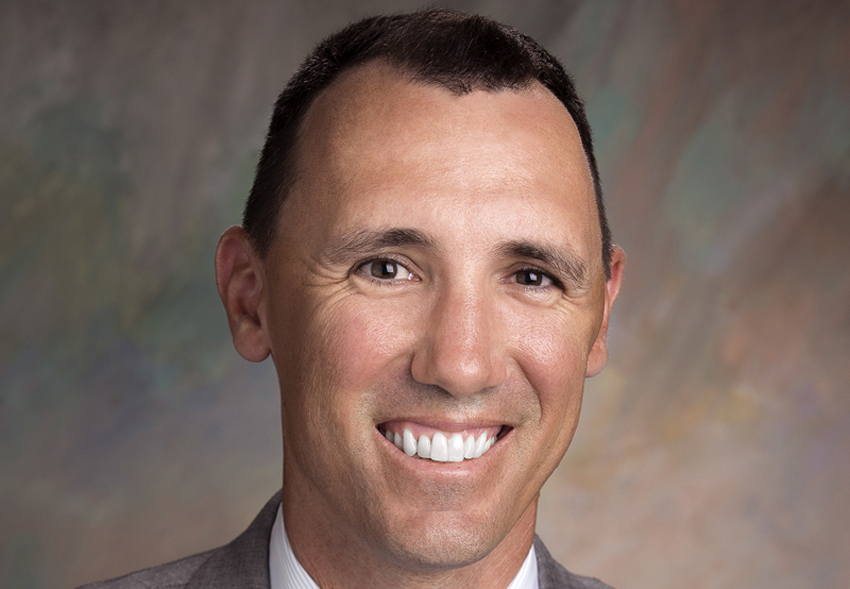
From a legal standpoint, the challenge was that the plain language of the deed clearly stated that there was a restriction and placed no end date on the restriction. Cappello & Noël partner David Cousineau and associate Richard Lloyd did a deep dive into the law of deeds and deed restrictions, an area called the “most complex and archaic body of American property law,” tracking its development since the early 20th Century.
Their analysis showed that while the deed undeniably included the one-story restriction, the law requires more—the language of the deed must show that the restriction was intended to be enforceable by future property owners. This deed did not include the required intent.
“By developing our analysis early in the case, we were able to respond quickly and consistently to the numerous factual and legal arguments opposing counsel made in support of enforcing the deed,” says Cousineau. “At trial, our understanding of the legal issues, the rules of evidence, and trial procedure allowed us to focus the trial on the points we believed were most important.”
After a six-day trial, the judge ruled in favor of the firm’s clients and removed the cloud of the restriction from the property. A copy of the Judge’s analysis is available here.